OUR PROJECTS
We engineer premium energy solutions: CNG & LPG equipment, LNG skids, and precision flow meter calibration stands. Our core strength is delivering fully customized, skid-mounted systems tailored to your specific operational needs and challenges.


LPG Liquefied Petroleum Gas Equipment
LPG equipment is a general term referring to specialized apparatus used for a series of processes involving LPG (primarily composed of propane and butane), including storage, loading/unloading, vaporization, pressure regulation, and gas blending. These systems typically employ skid-mounted and modular designs, with the core objective being the safe and efficient conversion of liquid LPG into gas, followed by stable delivery to end users.
LPG remains liquid at ambient temperatures under specific pressure conditions, facilitating storage and transportation. It vaporizes for use upon pressure reduction—a fundamental characteristic underpinning its equipment design.
Core Equipment and Functions
A complete LPG supply system typically consists of the following functional modules:
1. LPG Storage Tank/Tank Skid
✦ Function: Core storage unit for holding liquid LPG.
✦Characteristics:
Pressure vessels designed for 1.0-1.8 MPa, eliminating the need for deep cryogenic insulation required by LNG.
Equipped with a full suite of safety accessories including level gauges (magnetic flip-plate type), pressure gauges, thermometers, safety valves, booster valves, and drain valves.
Available as above-ground vertical or horizontal tanks, often integrated as part of skid-mounted modules.
2. Unloading/Loading System
✦Function: Transfers liquid LPG from tank trucks to station storage tanks.
✦Components:
Unloading pump: Provides power to pump liquid from the truck into the storage tank.
Pressurizer: The more common method. Pressurizes the truck via the vapor line, using pressure differential to force liquid into the storage tank. This is a classic and critical process for LPG stations.
3. LPG Vaporizer Skid
✦ Function: Heats liquid LPG using an external heat source to force vaporization into gas. This is the “heart” of the LPG system.
✦ Types:
Air-Heated Vaporizer: Similar to LNG systems, it utilizes natural convection from ambient air for heating. However, its vaporization capacity becomes severely insufficient at low temperatures (<5°C) or during high gas demand, and it is prone to frosting.
Forced Vaporizers (Water Bath/Electric Heating): The most common and reliable form in LPG systems.
Water Bath Vaporizer: Uses hot water (typically electrically or steam-heated) as a heat medium to vaporize LPG liquid within coils immersed in the water. Offers stable operation and high gas output.
Electric-heated vaporizer: Directly heats water or thermal oil electrically to vaporize LPG. Offers precise control and simple installation, making it the mainstream choice for skid-mounted units.
4. Pressure Regulation and Metering Skid
✦ Function: Reduces medium-pressure gas from the vaporizer to the required pressure for user equipment while providing accurate metering.
✦Components:
Pressure Regulation System: Typically employs two-stage regulation to ensure extremely stable outlet pressure.
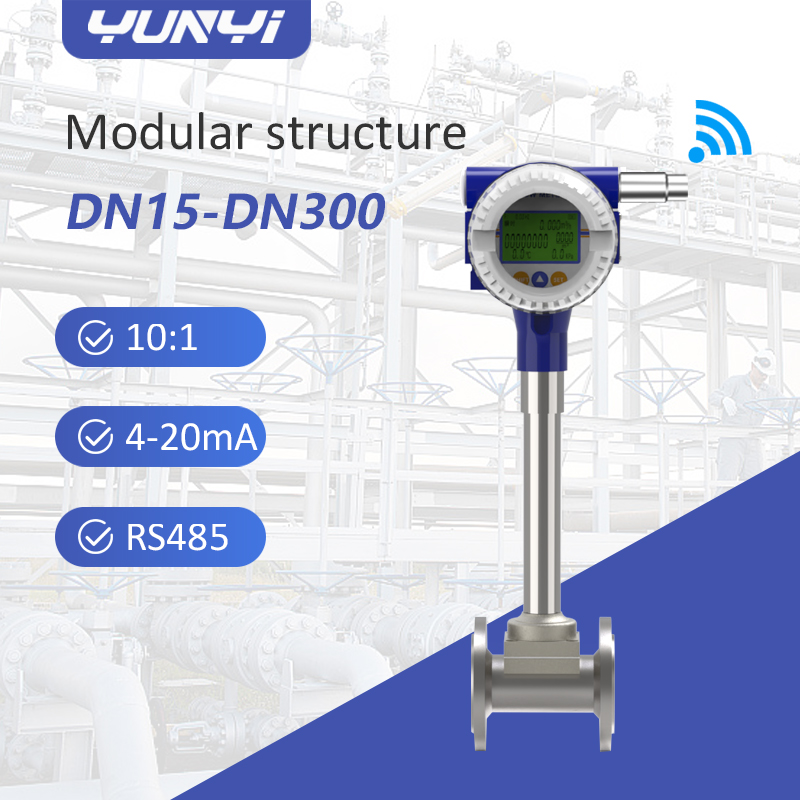
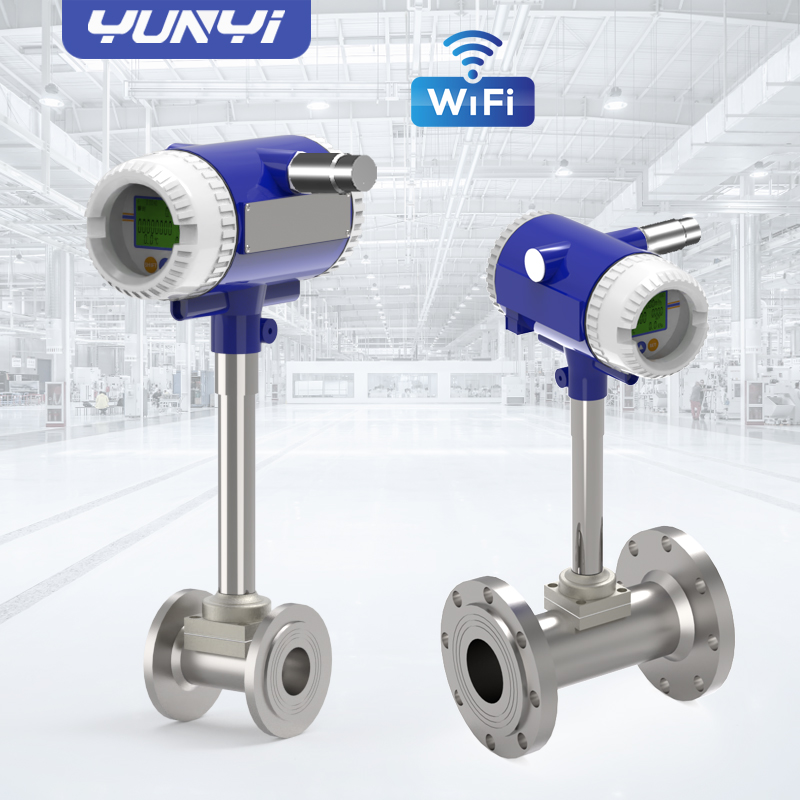
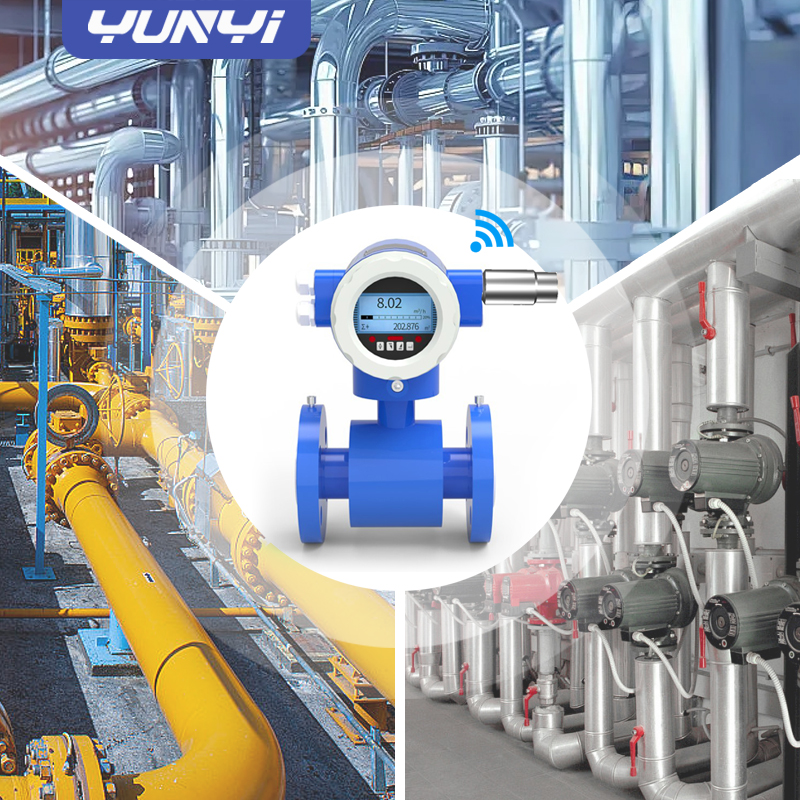
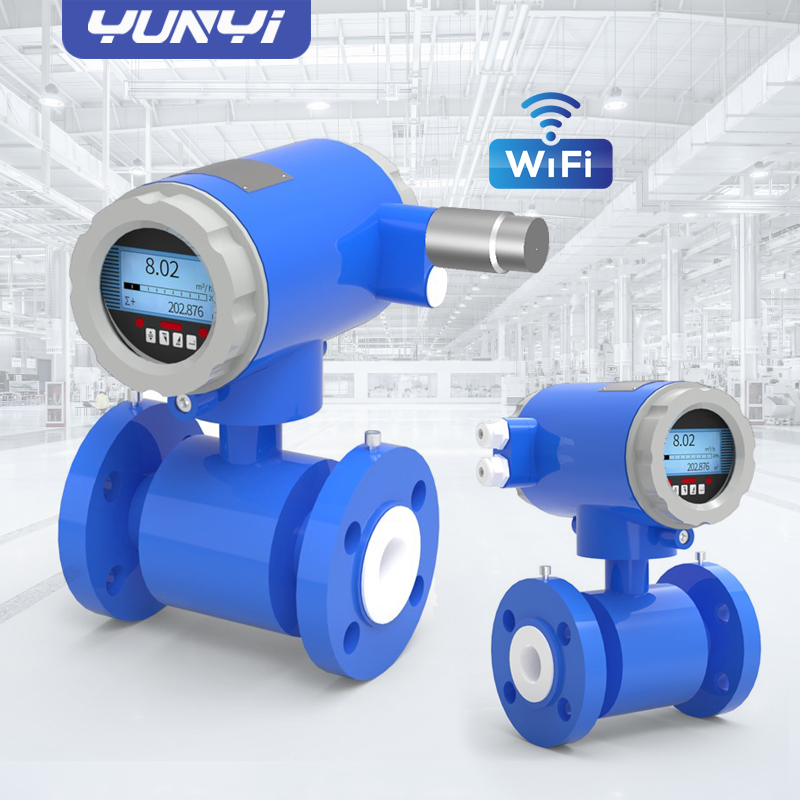
Metering System: Utilizes gas flow meters (e.g., turbine, diaphragm) for measurement.
Odorization Unit: Adds odorants to colorless, odorless LPG for leak detection.
5. LPG Gas Blending Unit
This represents a unique and critical function within LPG equipment.
✦Function: Blends vaporized LPG with air at a specific ratio to produce “substitute natural gas” or “mixed gas” with defined calorific value and pressure.
✦Applications: Used when substituting natural gas or altering gas properties.
Proportional Mixing: e.g., blending LPG and air at a 50:50 ratio.
Ejector Mixing: Utilizes the kinetic energy of high-pressure LPG to eject air for mixing.